
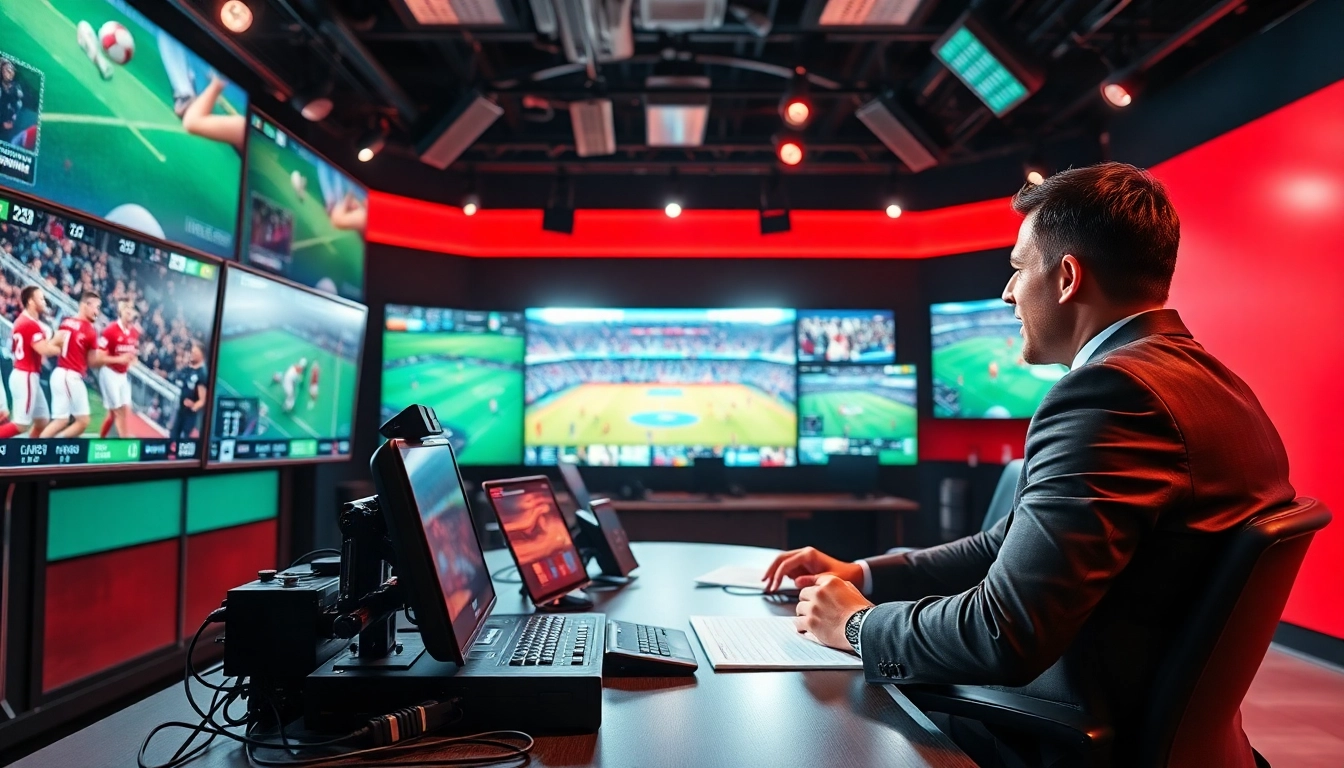
Mastering the Future of Sports Broadcasting: Insights, Trends, and Techniques
Understanding the Basics of Sports Broadcasting
What is Sports Broadcasting?
Sports Broadcasting refers to the live or recorded transmission of sporting events via television, radio, or digital platforms. It encompasses not only the event itself but also includes commentary, analysis, and additional content that enhances viewer understanding and enjoyment. With the advent of technology, the landscape of Sports Broadcasting has evolved dramatically, providing fans with unprecedented access to their favorite sports and teams. Many audiences now seek high-quality commentary and analysis that is easily accessible through various platforms, linking to growing trends and needs in this dynamic field. Engaging in Sports Broadcasting offers a unique window into the intersection of entertainment, technology, and culture.
The Role of Technology in Sports Broadcasting
The integration of technology in Sports Broadcasting plays a pivotal role in shaping how events are produced, delivered, and consumed. High-definition cameras, drones, and advanced broadcasting software have transformed the viewing experience and enabled broadcasters to capture moments from multiple angles and in real-time. Techniques such as instant replay, augmented reality graphics, and data analytics help enrich the narrative, offering deeper insights into player statistics and game dynamics. Furthermore, technology facilitates the rise of mobile streaming and on-demand content, allowing viewers to customize their viewing experiences based on preferences.
Essential Equipment Used in Sports Broadcasting
To deliver high-quality broadcasts, several types of equipment are essential. Cameras are the most significant component, with multiple types utilized, including static, handheld, and those mounted on drones. Sound equipment, such as microphones and audio mixers, is crucial for ensuring clear commentary and engaging soundscapes. Other vital tools include video switchers, graphics generators, and networking equipment that supports smooth transmission and connectivity. Broadcasters must also use augmented reality software and graphics design tools to create visually engaging content that captivates the audience’s attention.
Current Trends Shaping Sports Broadcasting
The Rise of Streaming Platforms
The evolution of streaming platforms has significantly impacted Sports Broadcasting. Services like direct-to-consumer streaming have gained traction, providing fans with the flexibility to watch sports without traditional cable subscriptions. This shift stems from technological advancements that allow for scalable, high-quality streaming experiences. As consumers increasingly gravitate toward on-demand content, broadcasters must adapt strategies to leverage streaming technology effectively, enhancing viewer engagement while accommodating evolving viewing habits.
Impact of Social Media on Sports Broadcasting
Social media has transformed the way audiences engage with sports content. Platforms like Twitter, Instagram, and TikTok serve not only as channels for live commentary but also foster community engagement and content sharing. Social media discussions and highlights entice viewers to participate in real-time narratives around ongoing events. Consequently, broadcasters are increasingly collaborating with social media influencers and platforms to capture attention, enhance their reach, and generate fan-driven content that resonates with a younger demographic.
Evolving Viewer Engagement Strategies
As the demand for interactive content grows, broadcasters are experimenting with viewer engagement strategies that extend beyond passive consumption. Techniques such as real-time polls, live chats, and gamification elements allow audiences to participate actively. Analytics play an essential role in understanding viewer preferences and tailoring content to meet audience expectations, creating a more immersive experience that heightens fan loyalty and attracts new viewers.
Challenges in Sports Broadcasting
Managing Live Coverage and Broadcast Quality
One of the paramount challenges in Sports Broadcasting is ensuring high-quality live coverage amid unpredictable circumstances. Delays, equipment failures, or internet connectivity issues can compromise the viewer experience. Broadcasters must implement comprehensive testing protocols, backup systems, and real-time monitoring to address any potential disruptions. Moreover, investment in state-of-the-art equipment can help enhance production quality and overall viewer satisfaction.
Adapting to Changing Audience Preferences
Understanding and adapting to the shifting landscape of audience preferences is critical. The rise of younger viewers seeking shorter formats and on-the-go access requires broadcasters to innovate traditional content delivery methods continually. Conducting regular audience surveys and utilizing viewer analytics can guide adaptations, helping broadcasters align their offerings with audience expectations and improving retention rates.
Legal and Licensing Issues in Sports Broadcasting
The complexities of legal and licensing issues represent significant hurdles in Sports Broadcasting. Ensuring compliance with copyright laws, broadcasting rights, and regional licensing agreements is crucial to avoid legal ramifications. Broadcasters must stay updated with regulations and work closely with legal teams to navigate the intricacies of sports media rights, ensuring that content remains accessible while respecting intellectual property rights.
Best Practices for Effective Sports Broadcasting
Creating Compelling Content
Content is at the heart of Sports Broadcasting. To engage audiences effectively, broadcasters must create narratives that resonate with viewers. This involves not only providing insightful analyses and statistics but also sharing personal stories of athletes and teams. Building a distinctive voice and brand identity can enhance engagement, making viewers feel connected to the content being presented. Creativity and originality can transform ordinary broadcasts into memorable experiences that stand out in a highly competitive market.
Engaging Viewers Through Interactive Features
Enhanced interactivity in broadcasts can significantly impact viewer satisfaction and retention. Broadcasters can leverage interactive features such as viewer polls, live Q&A sessions, and social media integration. Creating opportunities for viewers to engage directly with hosts or commentators during broadcasts builds a sense of community and belonging, fostering deeper connections with the sport and its narratives.
Analytical Tools for Performance Measurement
Utilizing analytical tools is essential for measuring the success of a broadcast. Metrics such as viewer engagement, retention rates, and audience demographics provide valuable insights into viewer behavior. Broadcasters can use this data to analyze performance and make informed decisions about future content strategies, ensuring they remain aligned with audience expectations and preferences.
Future Directions in Sports Broadcasting
Emerging Technologies Impacting Sports Broadcasting
As technology continues to evolve, its impact on Sports Broadcasting grows increasingly profound. Innovations such as virtual reality, 360-degree streaming, and AI-driven analytics stand to revolutionize viewer experiences. Broadcasters who embrace these technologies can craft immersive experiences that offer fans unprecedented access to live events, enhancing overall engagement and retention.
Predictions for Viewer Experience Enhancements
The future of Sports Broadcasting is likely to lean toward personalization, where algorithms curate content tailored to individual viewer preferences. Enhanced interactivity and user-generated content may further enhance viewer experiences, as broadcasters innovate to meet the demands of a tech-savvy audience. Predictions suggest a rise in virtual interactions with players and coaches, offering fans a unique behind-the-scenes look at their favorite sports.
Preparing for Future Trends in Sports Broadcasting
To stay relevant, broadcasters must proactively prepare for future trends in Sports Broadcasting. This means investing in technology, training personnel to adapt to new platforms, and implementing flexible strategies that can pivot as the industry evolves. Engaging with diverse audiences and understanding regional differences can also help ensure that content remains relevant and accessible across various demographics.
FAQs about Sports Broadcasting
1. What skills are necessary for a sports broadcaster?
A sports broadcaster needs strong communication skills, a deep understanding of sports, and the ability to engage viewers through storytelling and analysis.
2. How has technology changed sports broadcasting?
Technology has enhanced broadcast quality, introduced interactive features, and allowed for real-time analytics, significantly improving viewer experiences.
3. Why is viewer engagement important in sports broadcasting?
Viewer engagement is crucial as it builds loyalty and community around the sport, resulting in higher retention rates and increased viewership over time.
4. What are the biggest challenges facing sports broadcasters today?
Key challenges include managing broadcast quality, adapting to viewer preferences, and navigating legal and licensing complexities.
5. How can broadcasters measure their performance?
Broadcasters can utilize analytical tools to measure performance through metrics like engagement rates, audience demographics, and retention statistics.